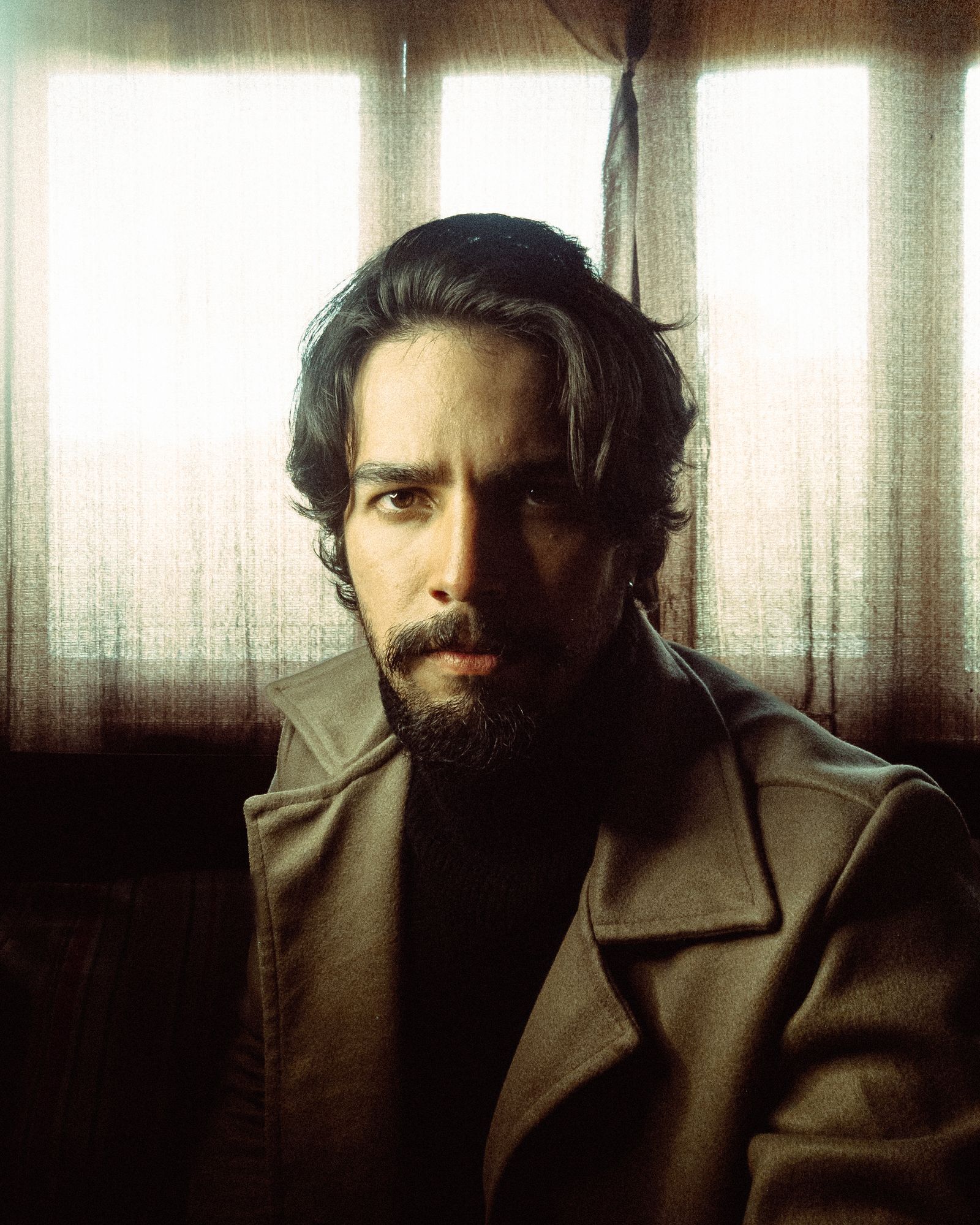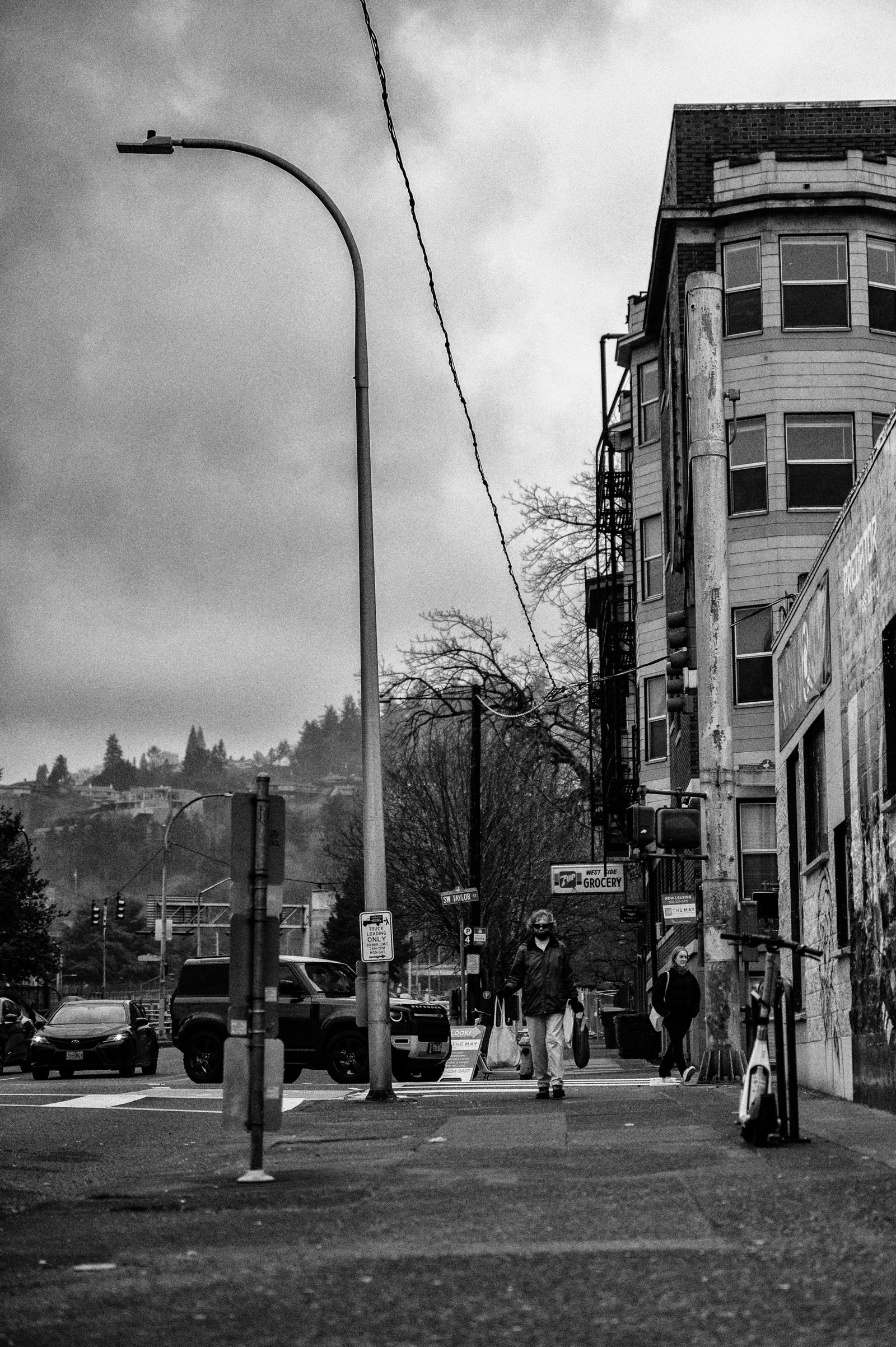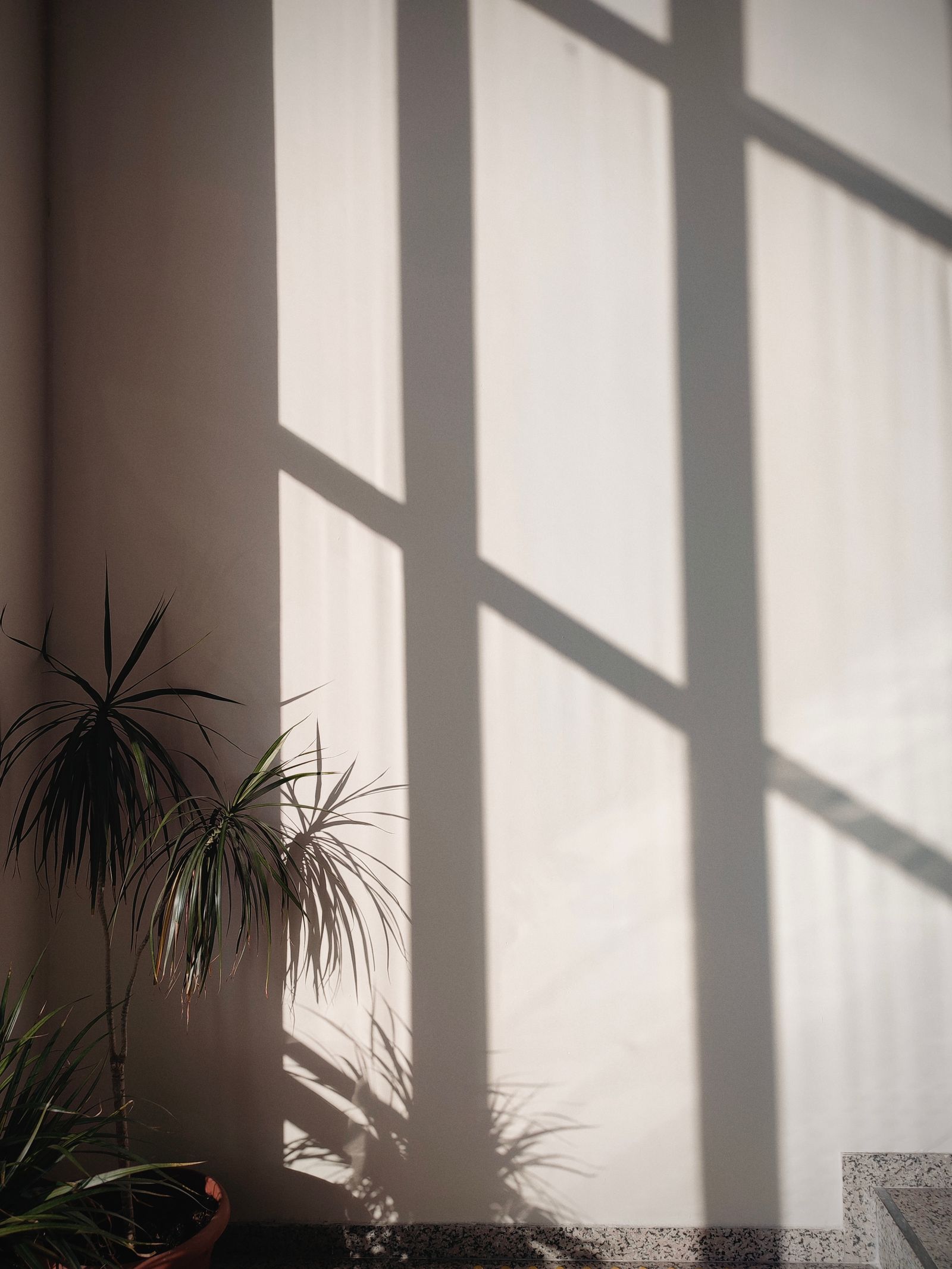
Two photographs of the same doorway, taken an hour apart, can feel almost unrelated to each other. The subject hasn't changed. The light has — and light is doing more of the emotional work in a photograph than most people give it credit for.
Direction matters more than brightness
It's tempting to think about light mainly in terms of how much of it there is, but direction tends to matter more than quantity. Light coming from behind a subject creates a very different mood than the same intensity of light coming from the side or from directly overhead. Backlighting can flatten a subject into a silhouette; side light reveals texture and depth that flat, frontal light hides entirely.
Soft versus hard light
Soft, diffused light — the kind you get on an overcast day, or through a sheer curtain — tends to feel calm and even. Hard, direct light creates strong shadows and higher contrast, which can feel more dramatic or more tense, depending on the subject. Neither is better; they simply produce different emotional registers, and part of developing a photographic eye is learning to recognize which one a scene calls for.
Color temperature shapes mood before content does
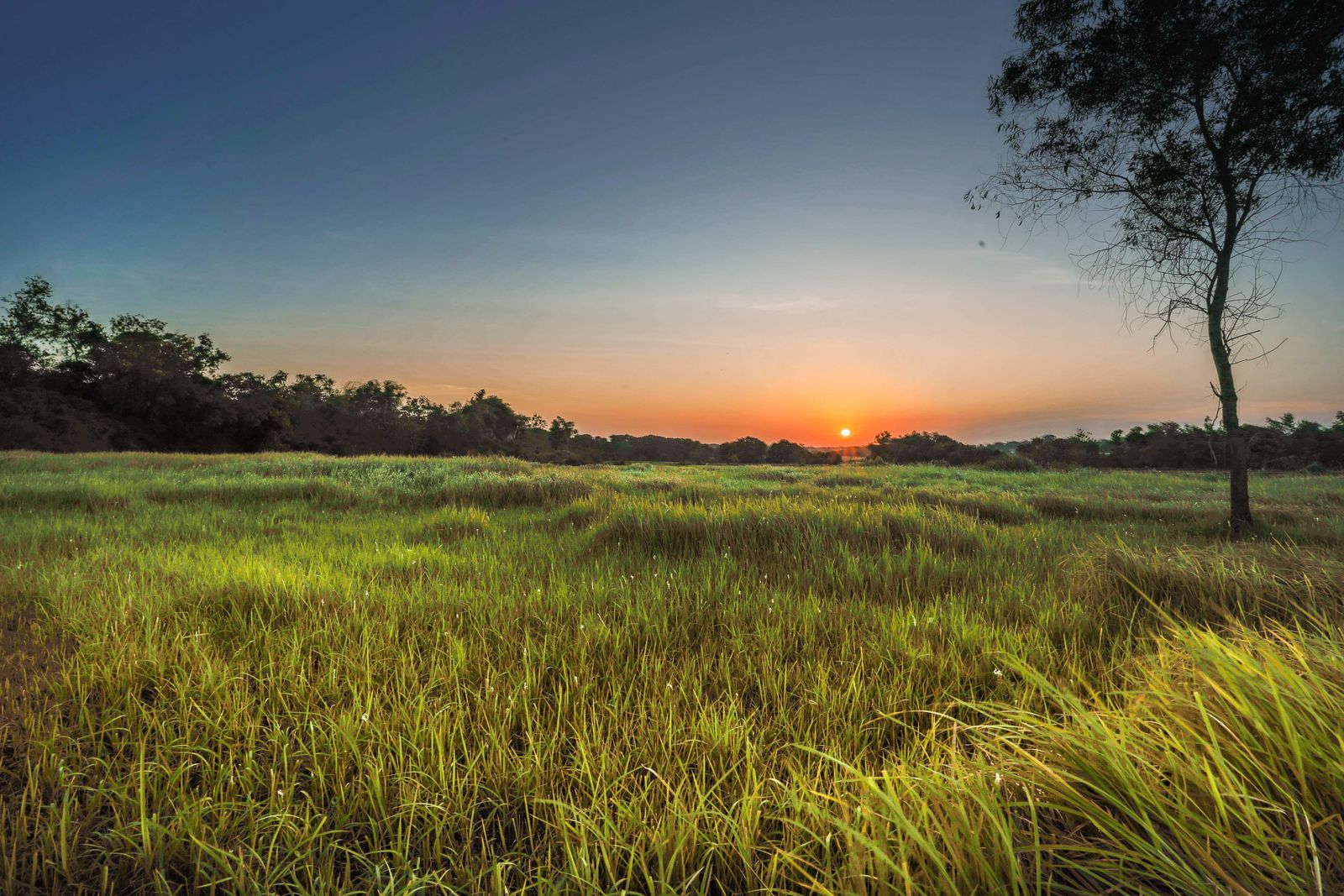
The warm, amber light of early morning or late afternoon reads as nostalgic or comforting almost independent of subject matter. The cooler, bluer light of overcast days or shaded areas tends to feel more neutral or somber. Noticing color temperature — and choosing when to shoot around it, rather than fighting it in editing — is one of the simpler ways to make a photograph feel more intentional.