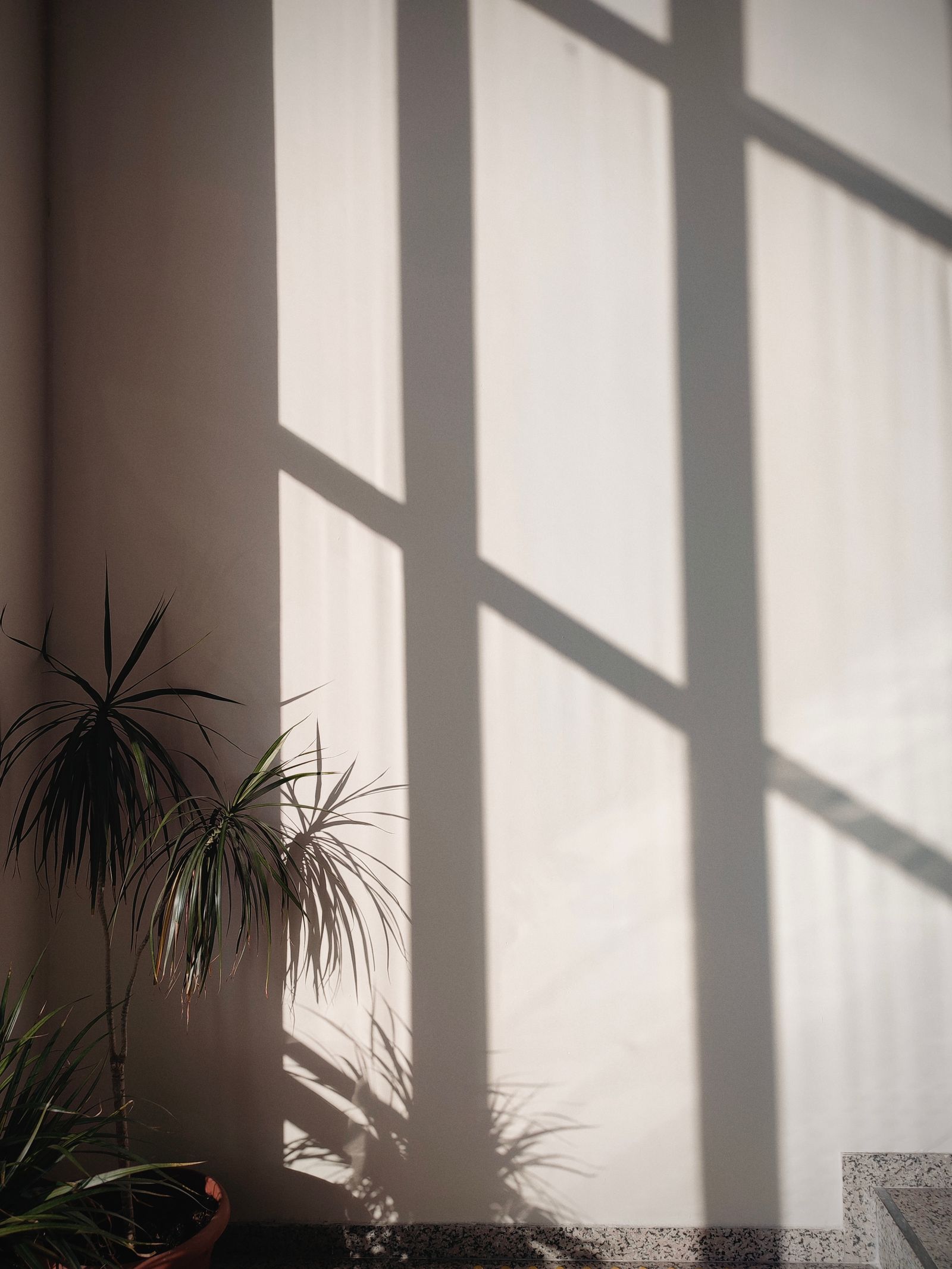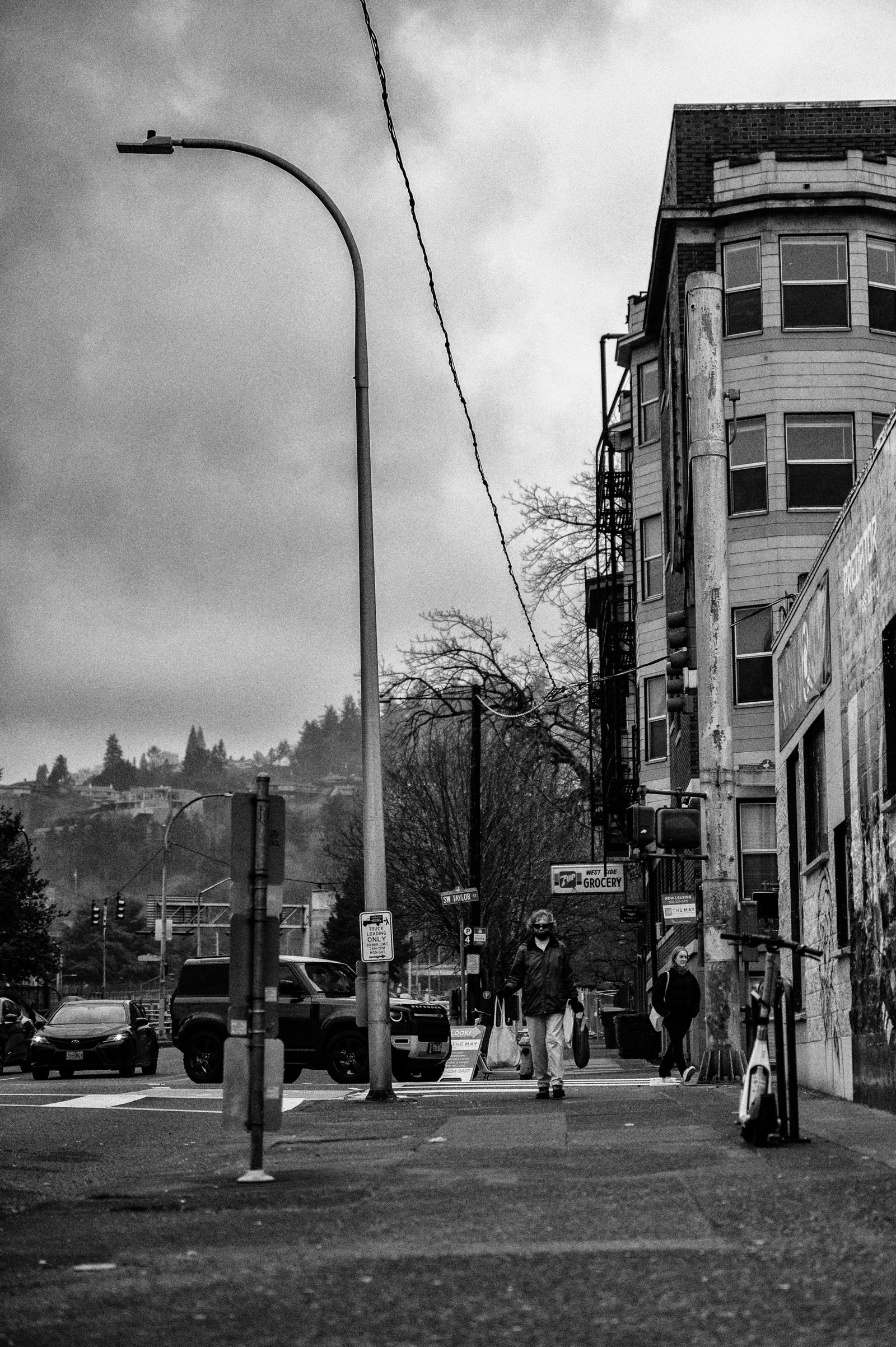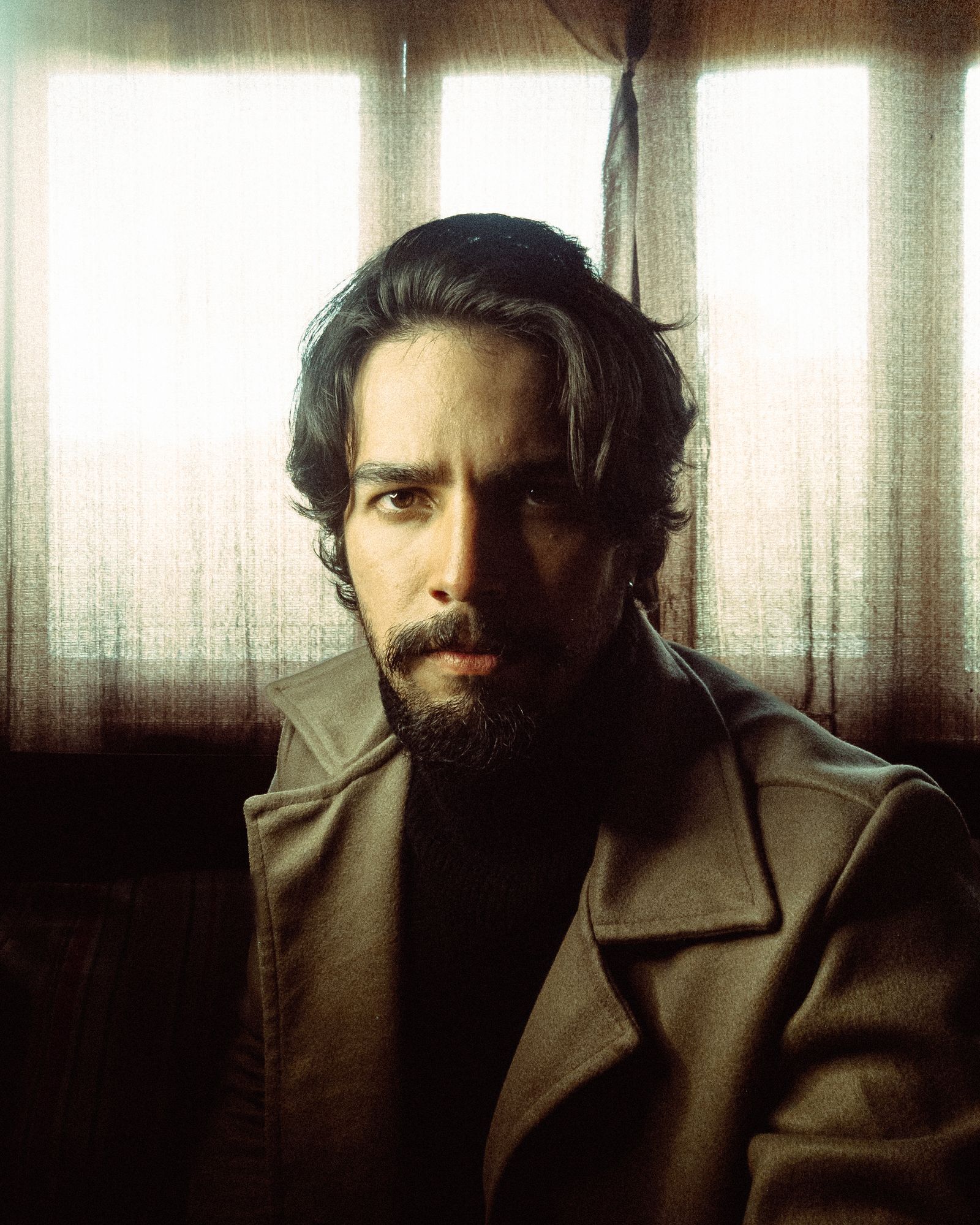
Natural light can't be controlled the way studio lighting can, and that limitation is often exactly what makes it useful. Working within its constraints — rather than trying to override them — tends to produce photographs with a more honest, less engineered feeling.
Learn the light before the shoot
Spending time in a location before photographing in it — noticing where light falls at different hours, where shadows land, where a window creates a natural key light — tends to produce far better results than arriving and hoping the light cooperates.
Open shade is more forgiving than direct sun
Direct sunlight creates harsh shadows and can be difficult to work with, particularly for portraits. Open shade — the soft, even light found near a building or under a tree, but not blocked from the sky entirely — tends to be more forgiving and flattering, especially for skin tones.
Let the weather set the mood
An overcast sky isn't a lost shooting day — it's simply a different quality of light, often softer and more even than a clear one. Treating changing weather as a variable to work with, rather than an obstacle, tends to expand rather than limit what's possible in a session.