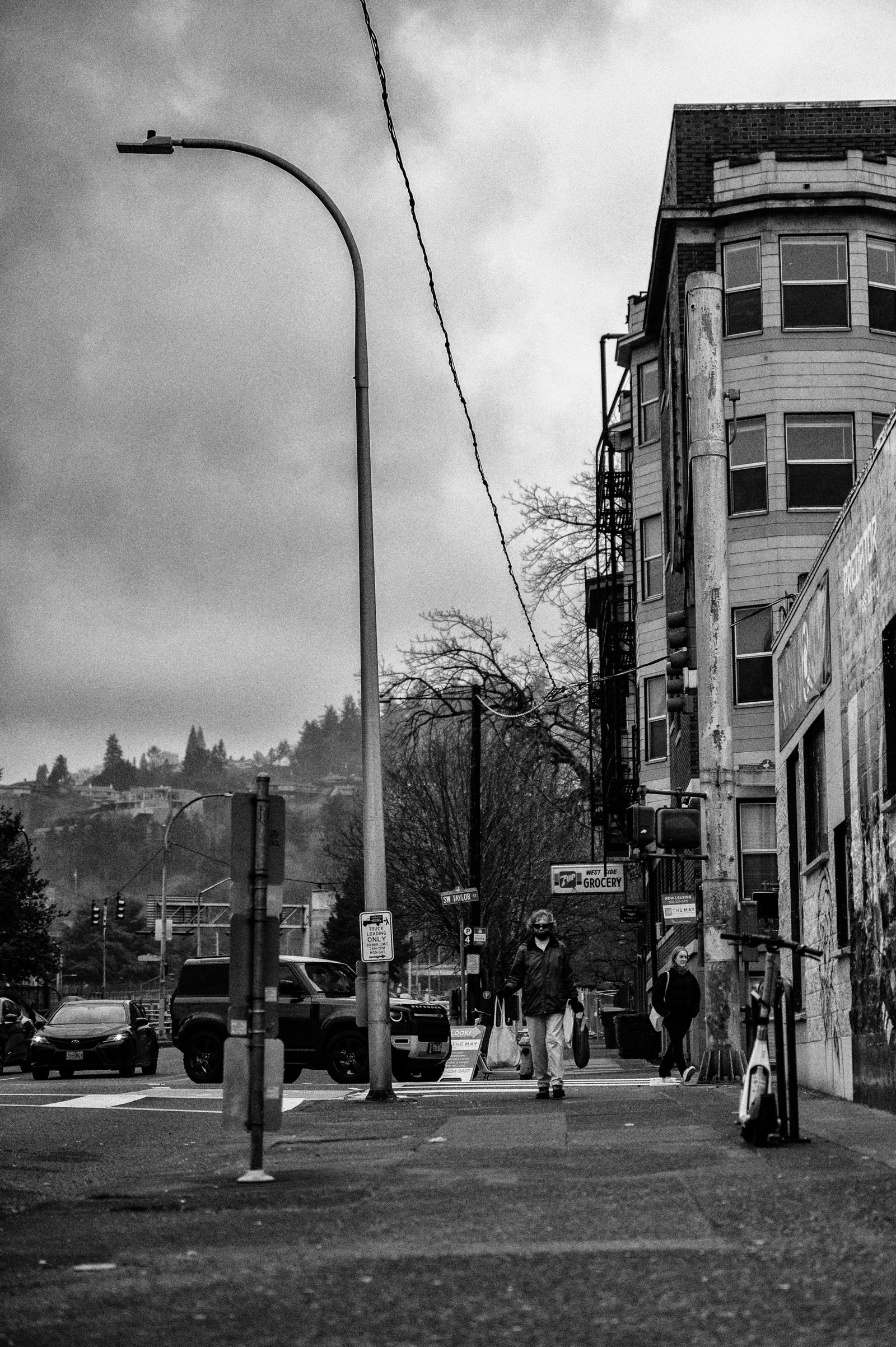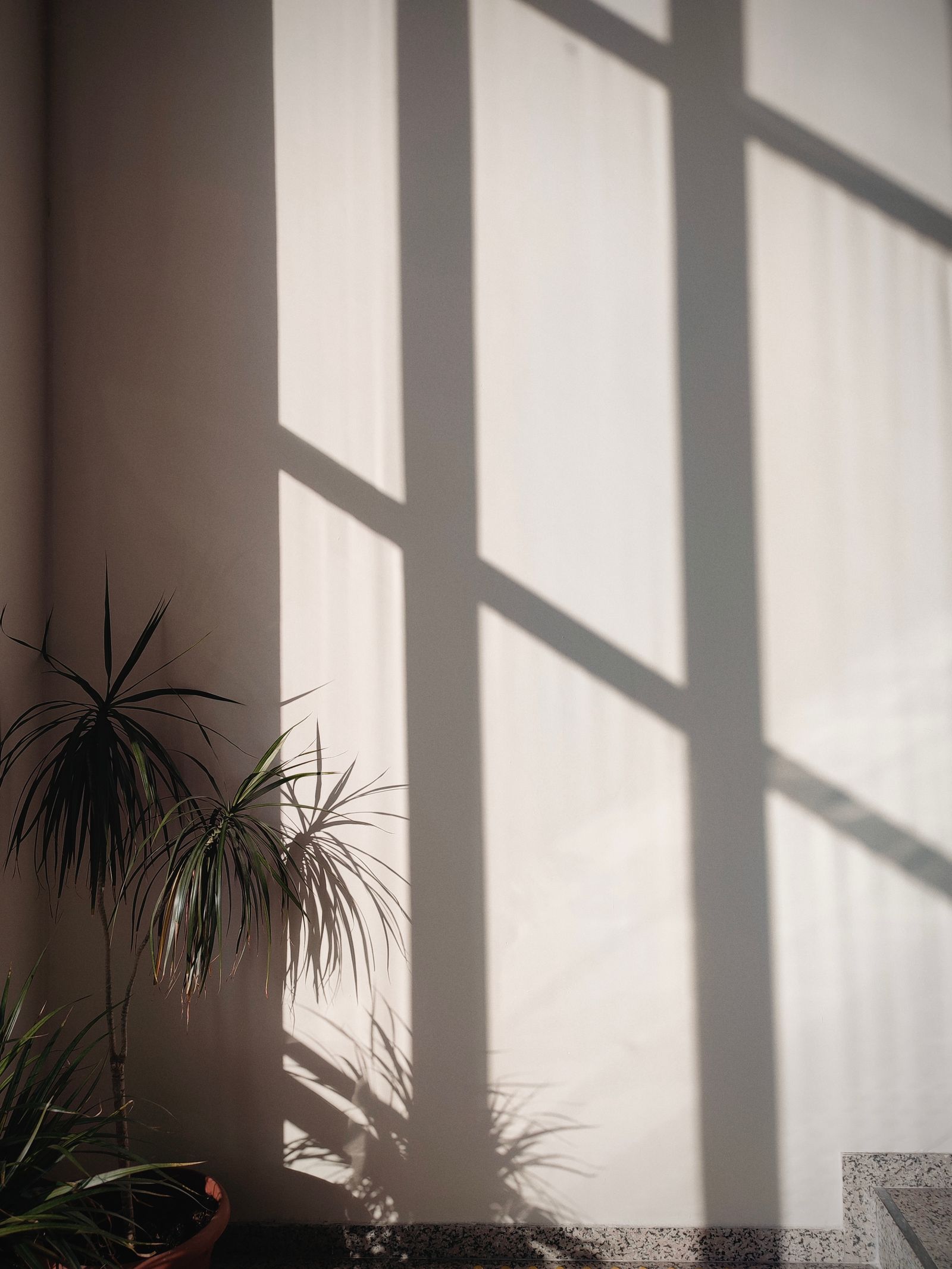
Color and subject tend to get most of the attention in a photograph, while texture — the tactile quality of a surface, revealed through light and shadow — often goes unnoticed, even though it does a great deal to make an image feel physical and specific.
Side light reveals texture; flat light hides it
Light striking a surface at a low angle reveals bumps, grain, and roughness that the same surface, lit head-on, would appear to lack entirely. Photographers who want to emphasize texture — brick, fabric, skin, wood — tend to look for side or raking light rather than flat, frontal light.
Texture can carry a photograph without a clear subject
A close, textural photograph — peeling paint, worn stone, weathered wood — doesn't need a conventional subject to hold interest. The texture itself becomes the subject, and the photograph works through tactile suggestion rather than narrative content.
Contrast between textures adds depth
Placing a rough texture next to a smooth one, or a soft material next to a hard one, tends to make both more noticeable than either would be alone. This kind of textural contrast is a subtle but effective way to add depth to a composition, particularly in still, quiet scenes.