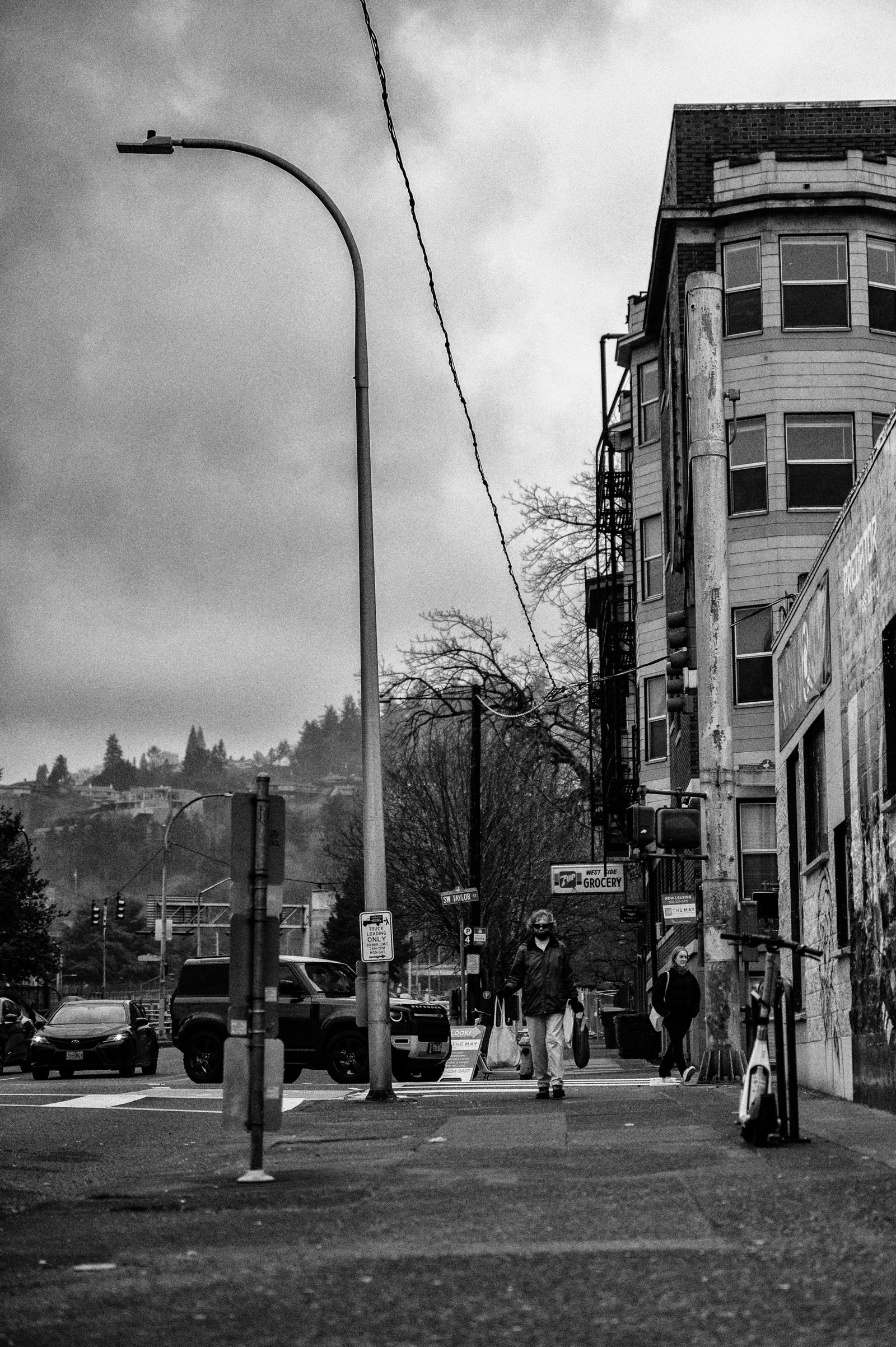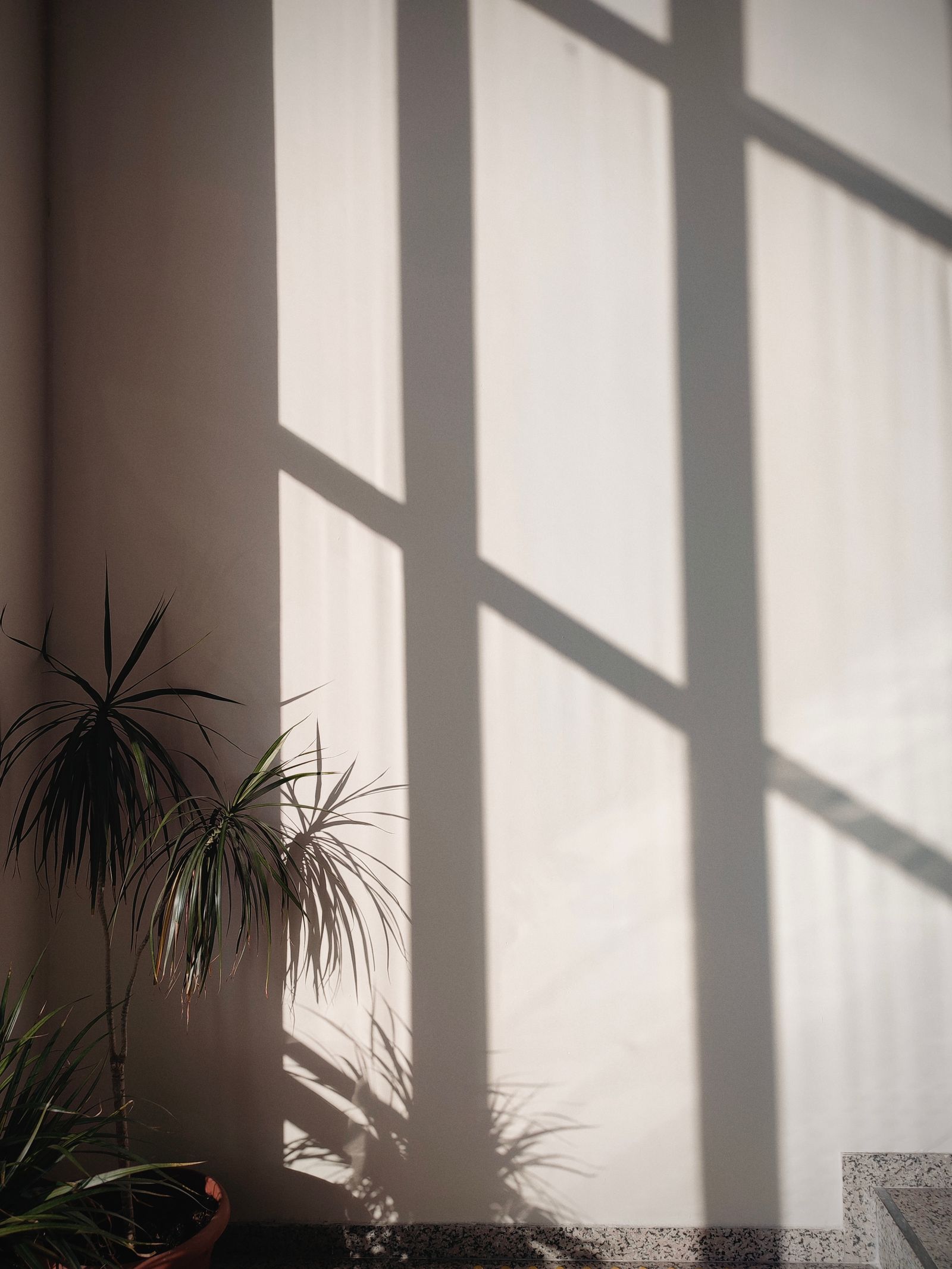
Composition advice is often reduced to a handful of rules — the rule of thirds, leading lines, symmetry. These are useful starting points, but the photographers who use them well tend to treat them as habits of attention rather than fixed formulas.
Decide what the frame is actually about
Before worrying about placement, it helps to identify, in a sentence, what a photograph is actually about — a person, a shape, a contrast, a gesture. Composition decisions become much easier once that's clear, because every element in the frame can be evaluated against whether it supports or distracts from that one thing.
Edit the frame, not just the subject
It's easy to focus entirely on the main subject and overlook what else is in the frame — a stray object at the edge, a distracting background element, a line that pulls the eye away. Scanning the entire frame, corner to corner, before pressing the shutter is a simple habit that consistently improves composition.
Negative space is a compositional tool, not empty space
Empty or quiet areas of a frame aren't wasted space — they give the subject room to feel significant, and they control pacing the way a pause does in writing. Deliberately including negative space, rather than filling every part of the frame, is one of the more reliable ways to make a composition feel considered.