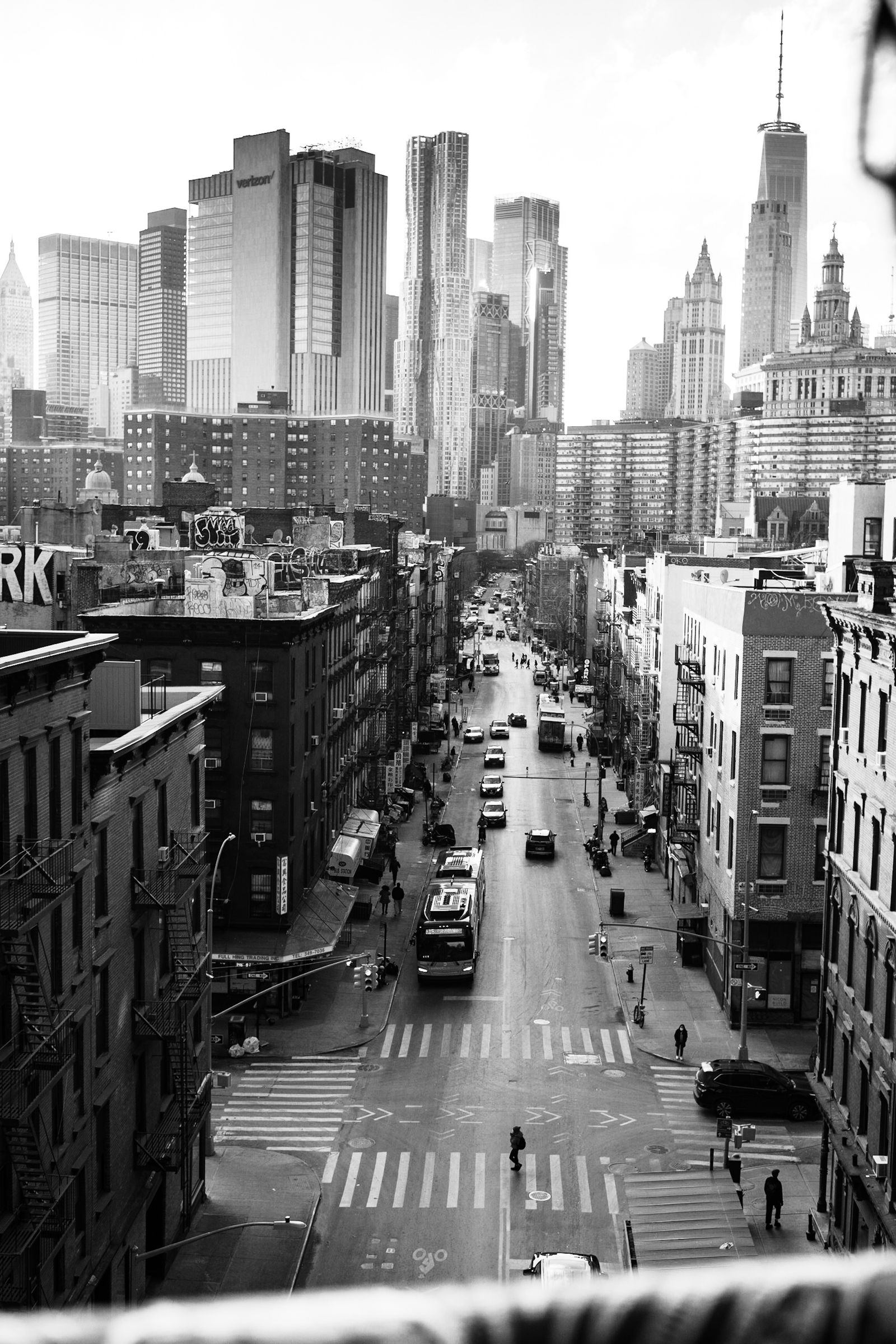
Composition
The habits and principles that shape how a frame is built.

Composition is the arrangement of elements within a frame — where a subject sits, what surrounds it, and how the eye is guided through the image. It's often the single biggest factor separating a forgettable photograph from a memorable one, independent of subject matter or equipment.
The rule of thirds, used loosely
Placing a subject off-center, roughly a third of the way into the frame, tends to feel more dynamic than centering it directly. This is a useful starting habit, though it shouldn't be treated as a strict requirement — centered compositions can work well too, particularly for symmetrical subjects.
Leading lines
Roads, railings, shorelines, and architectural edges can all be used to draw the eye toward a subject or through a scene. Noticing these lines, and positioning yourself so they support rather than fight the composition, is one of the more reliable ways to add structure to a frame.
Framing within the frame
Doorways, windows, and archways can be used to create a frame within the photograph itself, adding depth and directing attention toward a specific subject.