Lighting
Understanding direction, quality, and color temperature in available light.
Light shapes nearly every visual quality of a photograph — contrast, mood, color, and texture. Learning to read available light is one of the most transferable skills in photography, useful regardless of genre or equipment.
Hard versus soft light
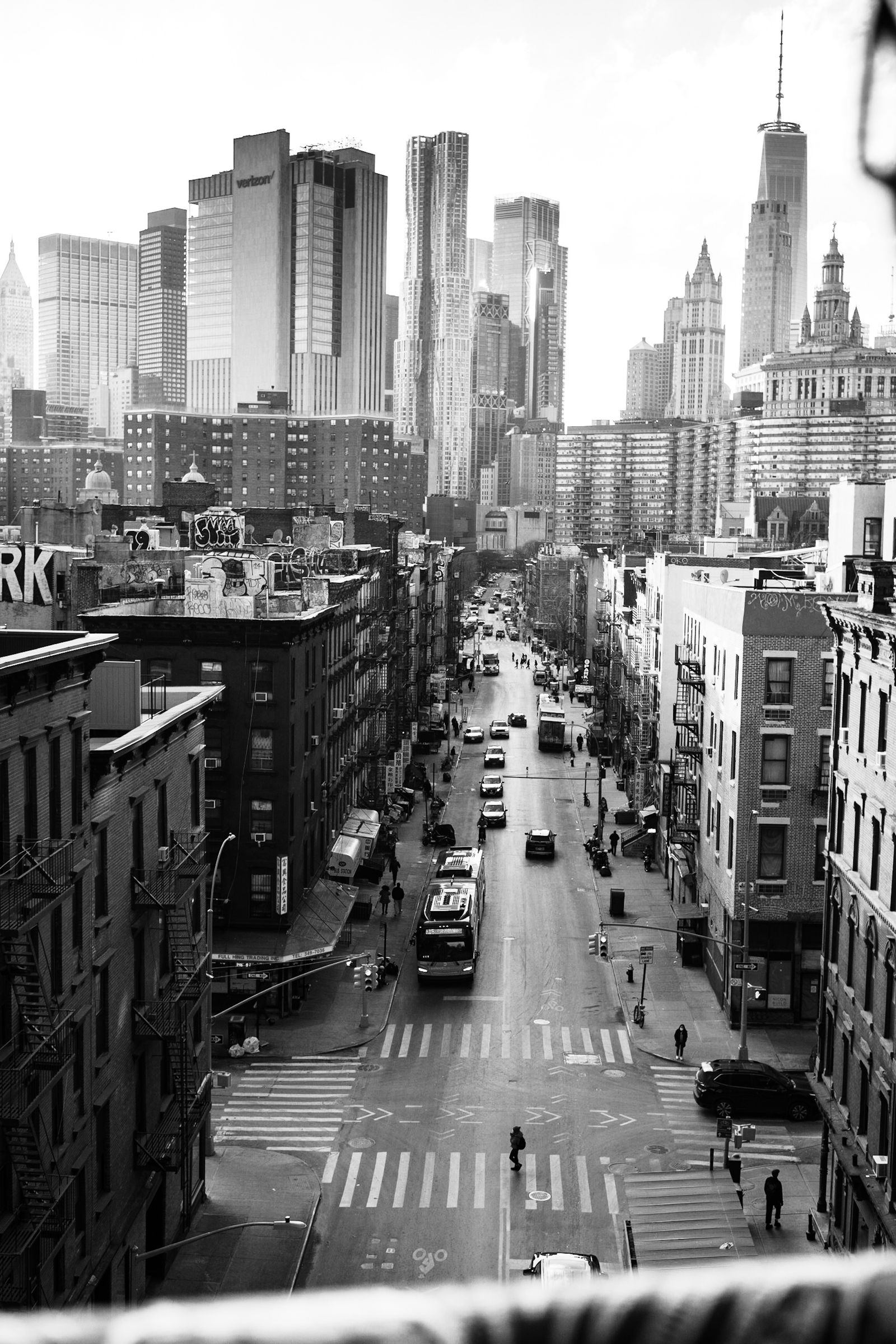
Hard light — direct sun, a bare bulb — creates strong, well-defined shadows and higher contrast. Soft light — an overcast sky, light through a curtain — produces gentler transitions and lower contrast. Neither is inherently better; the right choice depends on the mood a photograph is trying to create.
Golden hour and blue hour
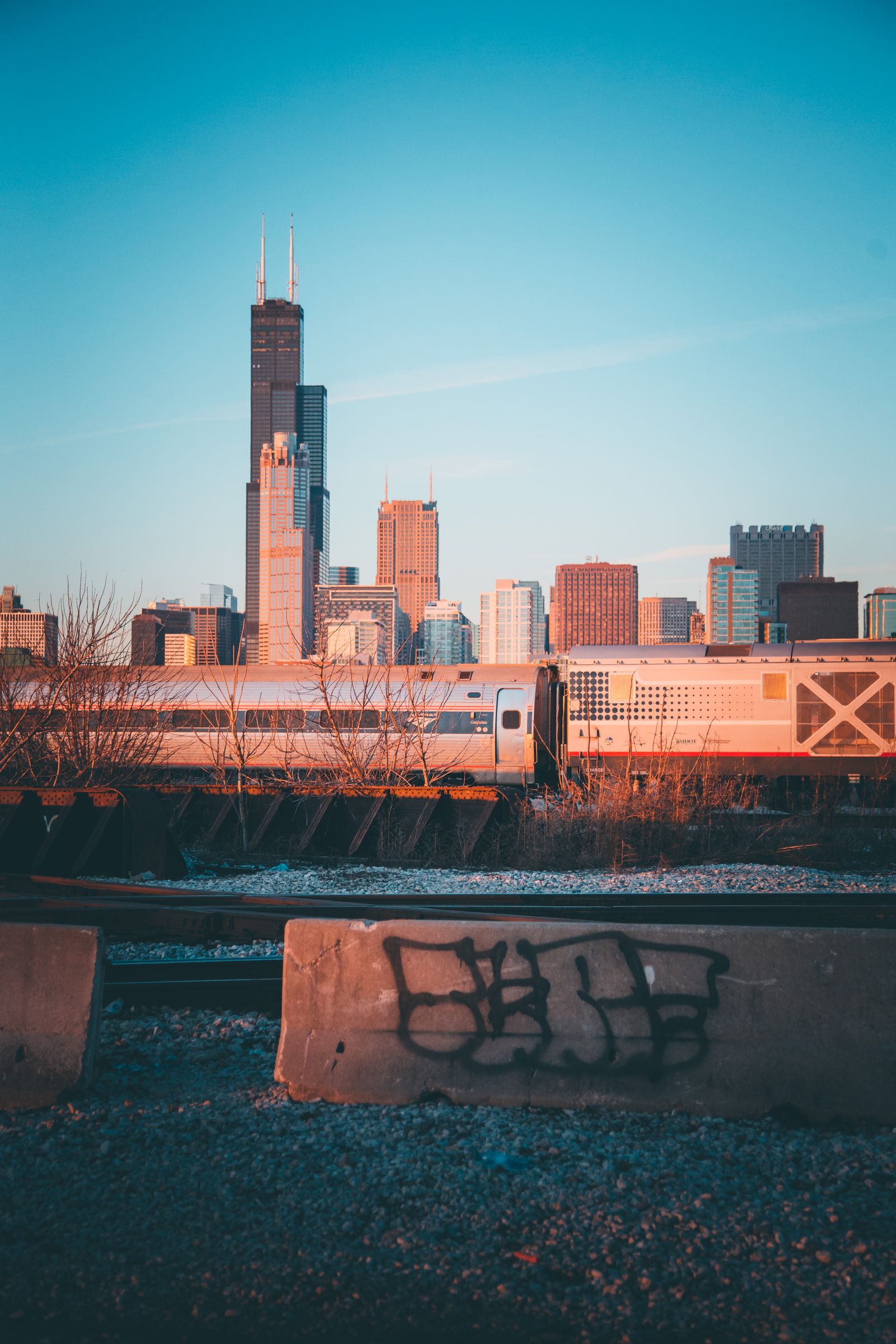
The period shortly after sunrise or before sunset — often called golden hour — produces warm, low-angle light that's flattering for most subjects. The period just before sunrise or after sunset, known as blue hour, offers cooler, more even light that suits certain architectural and urban scenes particularly well.
Working indoors
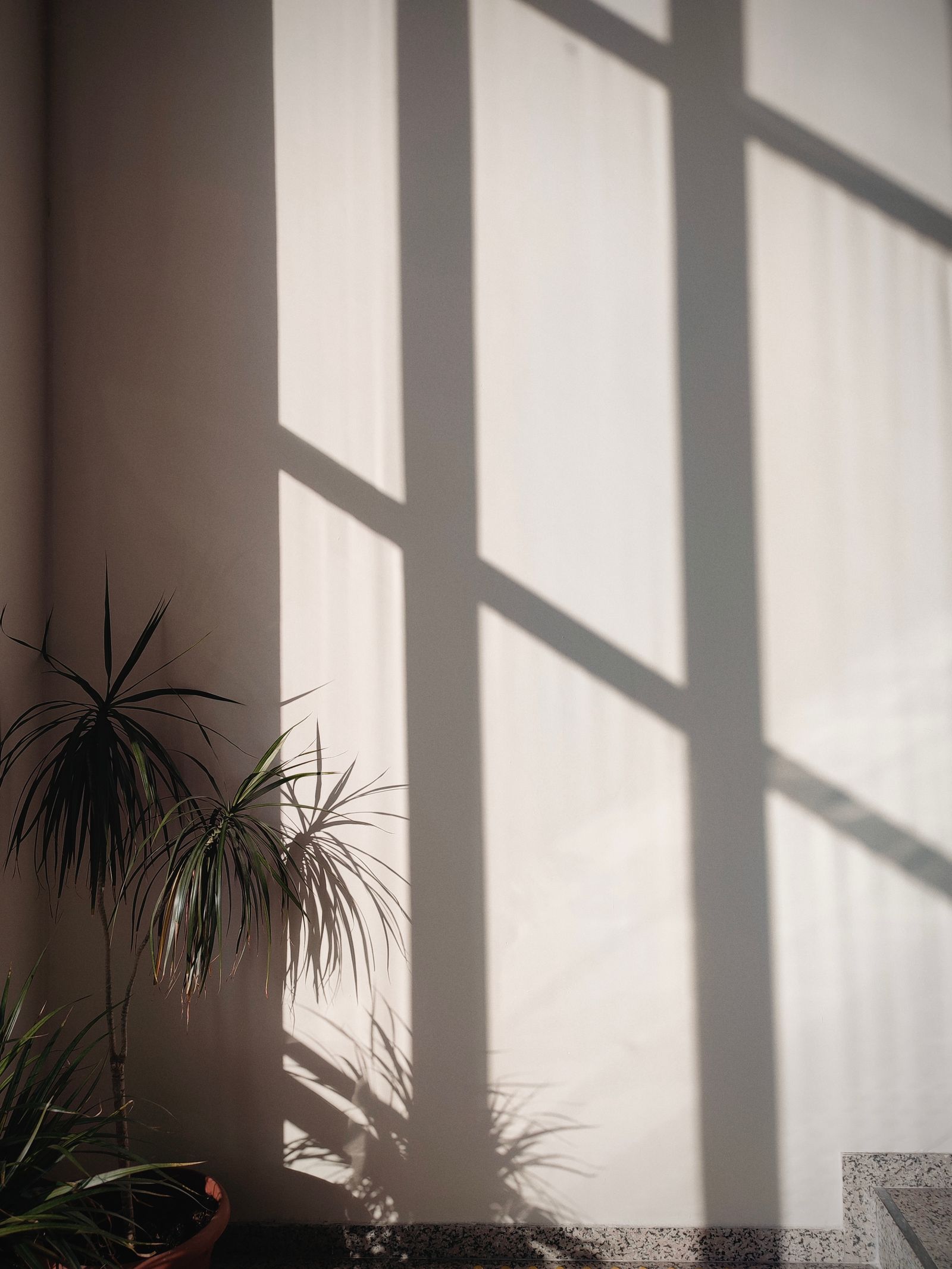
A single window can function as an entire lighting setup. Positioning a subject at different distances and angles from a window changes the contrast and softness of the resulting light considerably, without requiring any additional equipment.